Let's Connect
Our friendly and educated team is here to partner with you every step of the way. Connect today to learn of all the ways to partner with The Common Market.
Delivering local food for the common good.
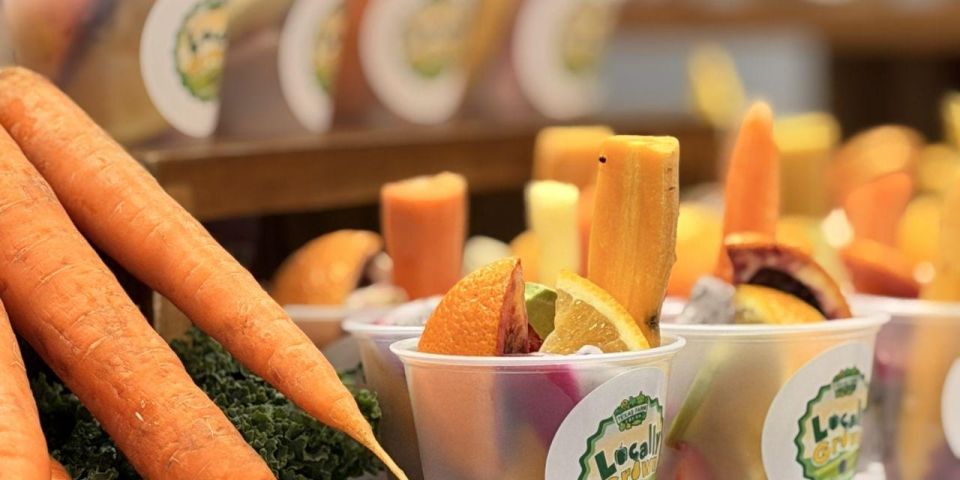
Schools are among the largest food purchasers in the country. Yet too often, the meals students eat have traveled thousands of miles before reaching student lunch trays.
Farm-to-school programs are changing the way students experience food at school. Instead of relying only on heavily processed or distant supply chains, these programs connect schools with local farmers to bring fresher, more seasonal food into cafeterias.
The impact goes beyond the lunch tray. Farm-to-school programs also help students learn where food comes from, build healthier eating habits, and engage more deeply in hands-on learning through gardens and classroom activities. As schools look for ways to improve both student health and engagement, these programs are becoming an increasingly practical and meaningful solution.
School meal programs have traditionally relied on large national distributors to supply cafeterias. Farm-to-school shifts some of that purchasing toward nearby growers, which means fresher ingredients and stronger regional food systems. The process usually starts with procurement. Schools or districts work with local farms, food hubs, or regional aggregators to source fruits, vegetables, proteins, and grains.
Lake Travis Independent School District (ISD) in Central Texas offers a compelling example of what this can look like in practice. The district partnered with a local food hub through its "Carrots for Kids" initiative, coordinating menu plans directly with local crop plans so that what's growing on nearby farms shows up on students' trays.
The district also formalized its commitment through a dedicated Local Foods RFP, a competitive procurement process designed to source a variety of local products from multiple vendors while making it easier for farmers and food hubs to access multiple school districts through a single contract. Smarter school food procurement like this makes it easier by streamlining logistics so smaller farms can actually compete for school contracts.
From there, cafeteria staff adapt menus to feature what's in season. Lake Travis ISD uses a "simple swaps" approach, plugging local versions of items already on the menu into existing meal cycles, with backup options from main distributors when local supply is unavailable. It takes planning and training, but the payoff is worthwhile. Students get food that's picked closer to peak freshness rather than food that's traveled thousands of miles.
Impact on Student Nutrition and Healthy Eating Habits
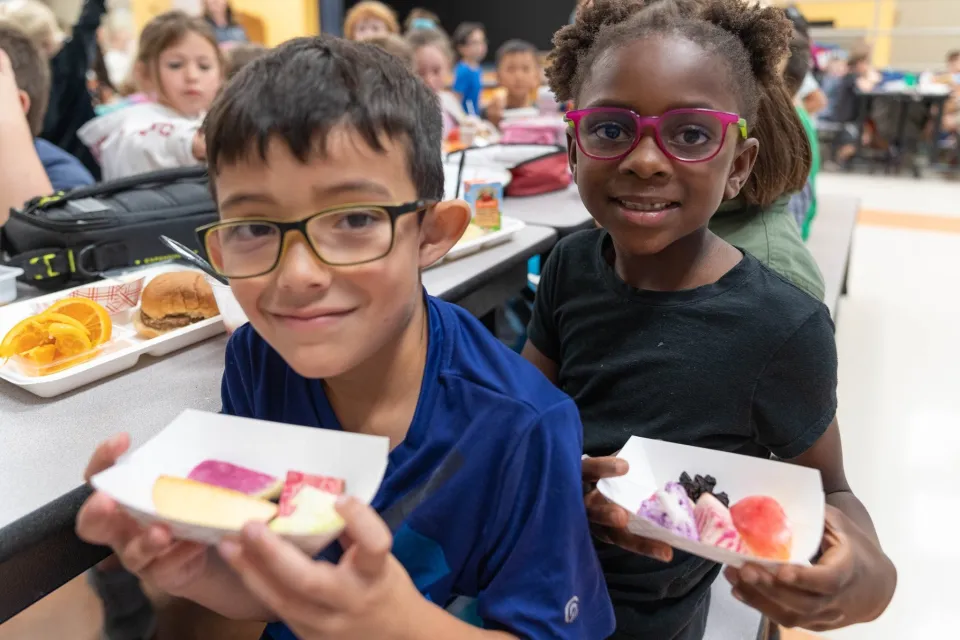
Fresh, locally sourced food is often perceived as fresher and more appealing to kids. When students recognize ingredients and feel connected to where food comes from, they're more likely to eat it. (Ask The Common Market about our Farmer Profiles, which help you tell the story behind the food right on your cafeteria lines!)
The results show up on students' plates. Farm-to-school participation is associated with positive changes: increased fruit and vegetable consumption during school meals, greater willingness to try new foods, improved overall diet quality among participating students, reduced plate waste, and stronger long-term food preferences that carry into adulthood.
Healthy school lunches set a foundation for lifelong wellness. When nutritious food is the norm at school, students internalize that standard.
Food affects how kids feel, focus, and perform. Studies have linked better nutrition to improved attention spans and stronger academic performance. School nutrition programs that prioritize whole, fresh foods are investing in learning, not just lunch.
Farm-to-school goes even further by bringing childhood nutrition education into the curriculum. Garden programs, farm field trips, and cooking lessons give students experiential learning that sticks. A kid who's grown a tomato is far more likely to understand where food comes from, remember basic nutrition concepts, and feel curious about trying healthier foods in everyday life.
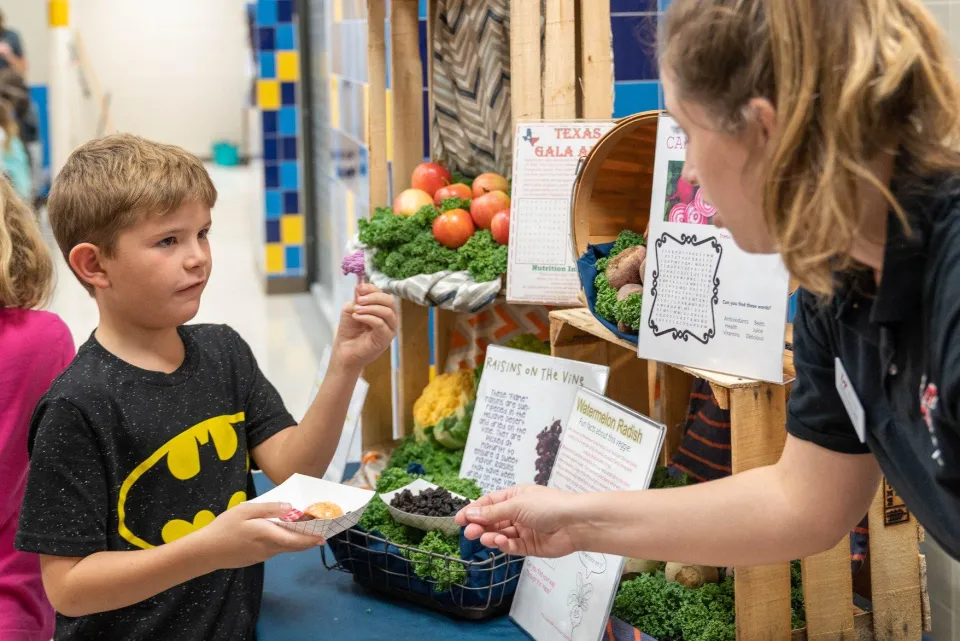
Lake Travis ISD has made this kind of hands-on connection a cornerstone of its programming. The district hosts promotions like Texas Fruit and Vegetable Day and Farmer's Market Taste Tests, where students sample seasonal produce in the cafeteria. Events like "Bring a Chicken to School" with local poultry producer Greener Pastures Chicken and “Meet the Rancher” with Ratcliff Premium Meats give students a face-to-face connection with the people who raise their food. The district also celebrates its commitment to local sourcing through promotions like the "Texas Tray," which showcases meals made with Texas-grown and Texas-raised ingredients. Nutrition signage and farmer profiles posted at the lunch line reinforce these lessons every day, not just on special occasions.
Teachers report that these activities boost engagement, especially among students who struggle in traditional classroom settings. Hands-on food education meets learners where they are.
Farm-to-school doesn't just benefit students. The effects reach families, farmers, and the broader community.
The need for this investment is urgent. In Travis County, Texas, just 0.06% of food consumed is locally sourced, and the region is losing nearly 17 acres of farmland per day to development. Real food economies grow stronger when schools invest locally. Here's what that looks like in practice:
Lake Travis ISD believes in the power of collaboration to drive systemic change, which is why it helped launch the Central Texas Farm to School Collaborative. The Collaborative reflects what’s possible when schools commit to this work beyond their own cafeterias. The Collaborative is a regional network of schools, producers, government agencies, nonprofits, and advocates working together to bring local food into schools, improve student health, support local producers, and build a more resilient regional food system.
Over time, these shifts add up, quietly reshaping how entire regions think about nutrition and community well-being.
The Future of Farm-to-School Programs
Farm-to-school programs face real barriers: tight cafeteria budgets, limited kitchen infrastructure, and the logistical complexity of sourcing locally at scale. Smaller schools and under-resourced districts often have the hardest time getting started.
The path forward is clearer than it’s ever been.
Marissa Bell, Lake Travis ISD’s Assistant Director of Food & Nutrition Services, suggests keeping the “School Food Tradeoff Triangle,” a practical approach to procurement decision making, top of mind: Affordability, Operational Feasibility, and Values-Alignment (purchasing local, supporting small businesses, and the environment). The reality is: You can often optimize two, but rarely all three at once. Success comes from finding the right balance, embracing variety, and starting small. If most of your menu is designed to maximize affordability and operational feasibility, consider introducing just one recipe or menu item that prioritizes operational feasibility and values alignment. Small changes can create meaningful opportunities to support local producers and advance your district’s goals.
Lake Travis ISD's journey offers a roadmap. The district began with small menu promotions and taste tests tied to events like National Farm to School Month, then introduced simple local menu swaps, built informal purchase commitments with farmers, and eventually formalized those relationships through contracts and RFPs. It's an approach that any district can adapt to its own pace and resources.
As more communities see the results, momentum is building. Farm-to-school is a practical investment in kids, communities, and the food system they'll inherit.
To learn how these partnerships actually work in practice (and how schools are already expanding access to fresh, locally sourced meals), explore The Common Market’s Food for Schools program and see what it could look like in your community.
At The Common Market, our mission is to connect communities with fresh, healthy food from sustainable family farms. We're a nonprofit regional food distributor operating across the Mid-Atlantic, Southeast, Texas, and Great Lakes regions. We work alongside farmers, schools, healthcare institutions, and community organizations to build equitable, resilient regional food systems for everyone.
Since 2008, we've supported nearly 200 family farms while delivering millions of healthy meal equivalents to communities that need them most. If you're ready to bring locally sourced food to your school or institution, we'd love to partner with you.
Our friendly and educated team is here to partner with you every step of the way. Connect today to learn of all the ways to partner with The Common Market.
"Evanston Township High School is grateful to partner with Common Market, making it easy to bring fresh, local food into our schools after years of challenges. Their ability to manage our standing orders and adjust them as needed saves us time and eliminates the hassle of placing additional vendor orders. "
— Kim Minestra, School Nutrition Services, Evanston Township High School