Let's Connect
Our friendly and educated team is here to partner with you every step of the way. Connect today to learn of all the ways to partner with The Common Market.
Delivering local food for the common good.
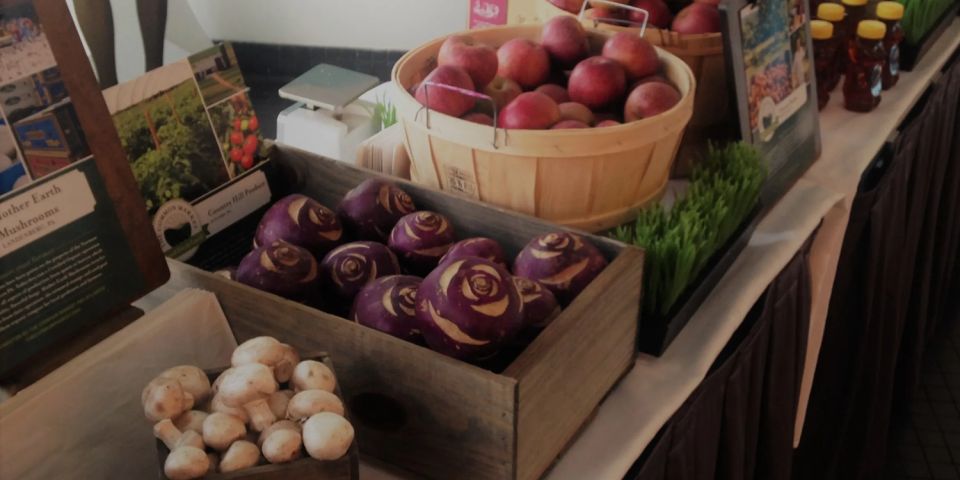
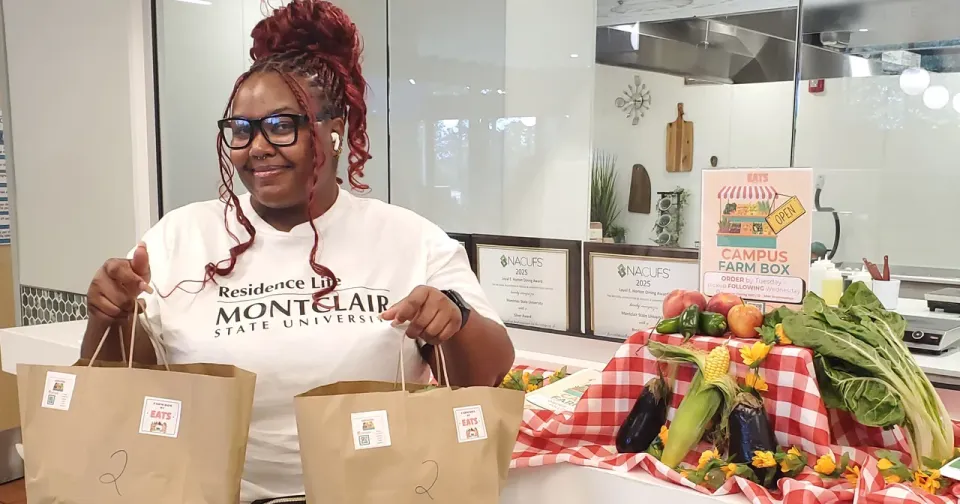
The Common Market partners with community organizations and institutions, like schools and hospitals, to distribute fresh, local produce directly to community members through community food access distributions or "Farm Stands". These distributions play a critical role in bridging the gap between local farms and those seeking fresh, nutritious options.
But first, what is a farm stand?
A farm stand is a temporary, on-site setup of fresh local foods for sale at an organization. The Common Market Farm Stand is a completely flexible program where you can choose when your farm stand runs, how often, and what local products are best suited for your community members. Each setup works differently based on the location, size, and needs of the community. Below are some best practices for hosting a successful farm stand or community food distribution, based on what we’ve learned working alongside partners nationwide.
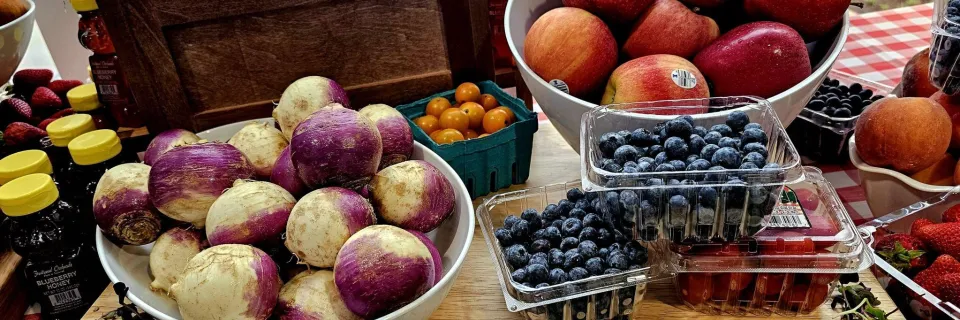
Every successful food distribution begins with a champion—someone passionate about bringing fresh, local food to their community. Identify a staff member, volunteer, or wellness coordinator to lead logistics like ordering, receiving, setup, and promotion. Our team can help you map out your goals, identify community needs, and determine the right mix of seasonal products for your stand.
There are generally two types of farm stands: no-cost and for-purchase.
Offering both types allows communities to meet different needs: no-cost stands help ensure equitable food access, while for-purchase stands support long-term sustainability and local food economies.
If your organization is new to The Common Market, it is important to plan ahead before hosting your first community food distribution. Starting the conversation early gives us time to get everything approved and in place so your first order runs smoothly. We recommend beginning the conversation at least 6 weeks before your desired start date. Existing partners can get these up and running much more quickly. Either way, our outreach and support team is always available for a prep call to ensure smooth sailing!
Accessibility is key. Choose a high-traffic, visible area that’s easy for your community to reach. You’ll need just a few tables to hold products and volunteers to help with setup and breakdown. The Common Market will work with you to ensure your fresh, local products arrive right on time. Have a few tables on hand to display the products and a safe place to collect and store payments if your farm stand is not free for participants.
Consider planning your distribution around another event where community members will already gather, such as a health fair, open house, or seasonal event.
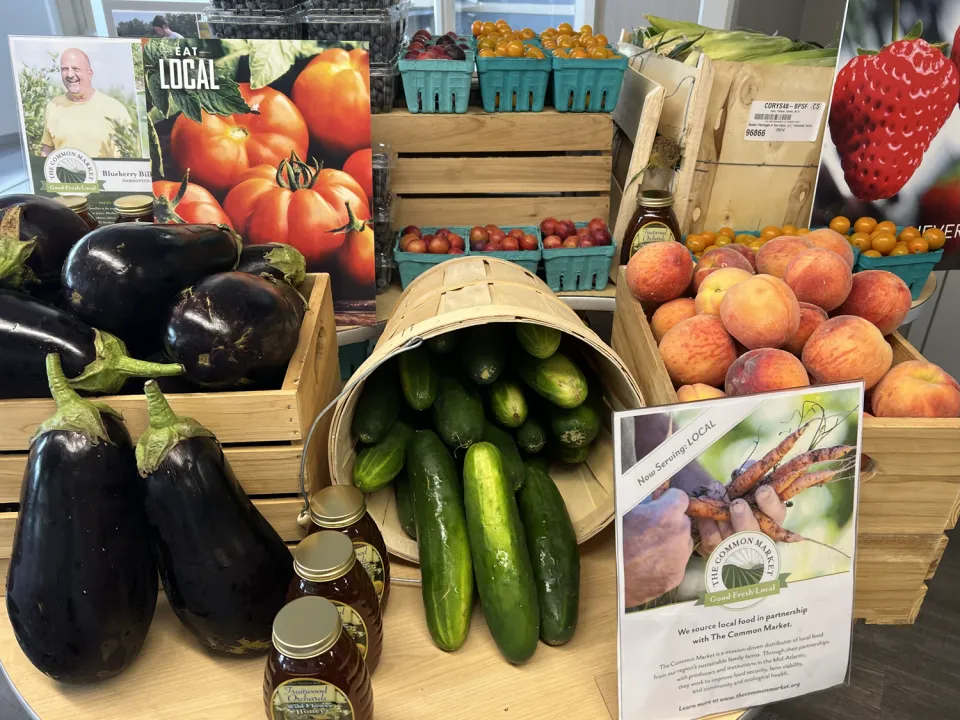
Our team sources a variety of local, sustainable foods year-round from small family farmers - everything from crisp apples and sweet potatoes to eggs, cheese, proteins, and local honey. We’ll help you select the best mix for your audience and time of year. Seasonal, simple for customers to grab, purchase, and go is the idea! Ordering a diverse array of products ensures a colorful and attractive farm stand. If you intend to sell your items to your community, our team is happy to suggest pricing per item.
The success of a food distribution depends on participation. Before your first stand, use multiple channels to get the word out—emails, flyers, social media posts, and word of mouth. The Common Market can provide ready-to-use templates and Farmer Profiles to help share the stories behind the food and build a connection to the products.
After your first distribution, take time to reflect with your team. What products were participants most excited about? What could be improved? Many of our partners use early events to test out pricing, logistics, and community interest before expanding to a regular schedule.
Even small, one-time farm stands can have a HUGE impact—especially in times of rising need. By bringing local food directly to the people who need it most, your organization helps strengthen both community health and the regional food economy.
Tip: Avoid food waste. Have a plan for what you are going to do with any leftover products from the event. If your site does not have a kitchen that can make use of leftovers, reach out to other community organizations like local food pantries, churches, schools, etc., who might welcome the donations. If all else fails, connect with a local compost site if possible, to dispose of the food responsibly.
Let’s chat! Learn more and connect with us today.
Our friendly and educated team is here to partner with you every step of the way. Connect today to learn of all the ways to partner with The Common Market.
"Fifer Orchards likes what Common Market does and how they service underserved areas with fresh local produce."
— Curt Fifer, Sales Manager, Fifer Orchards